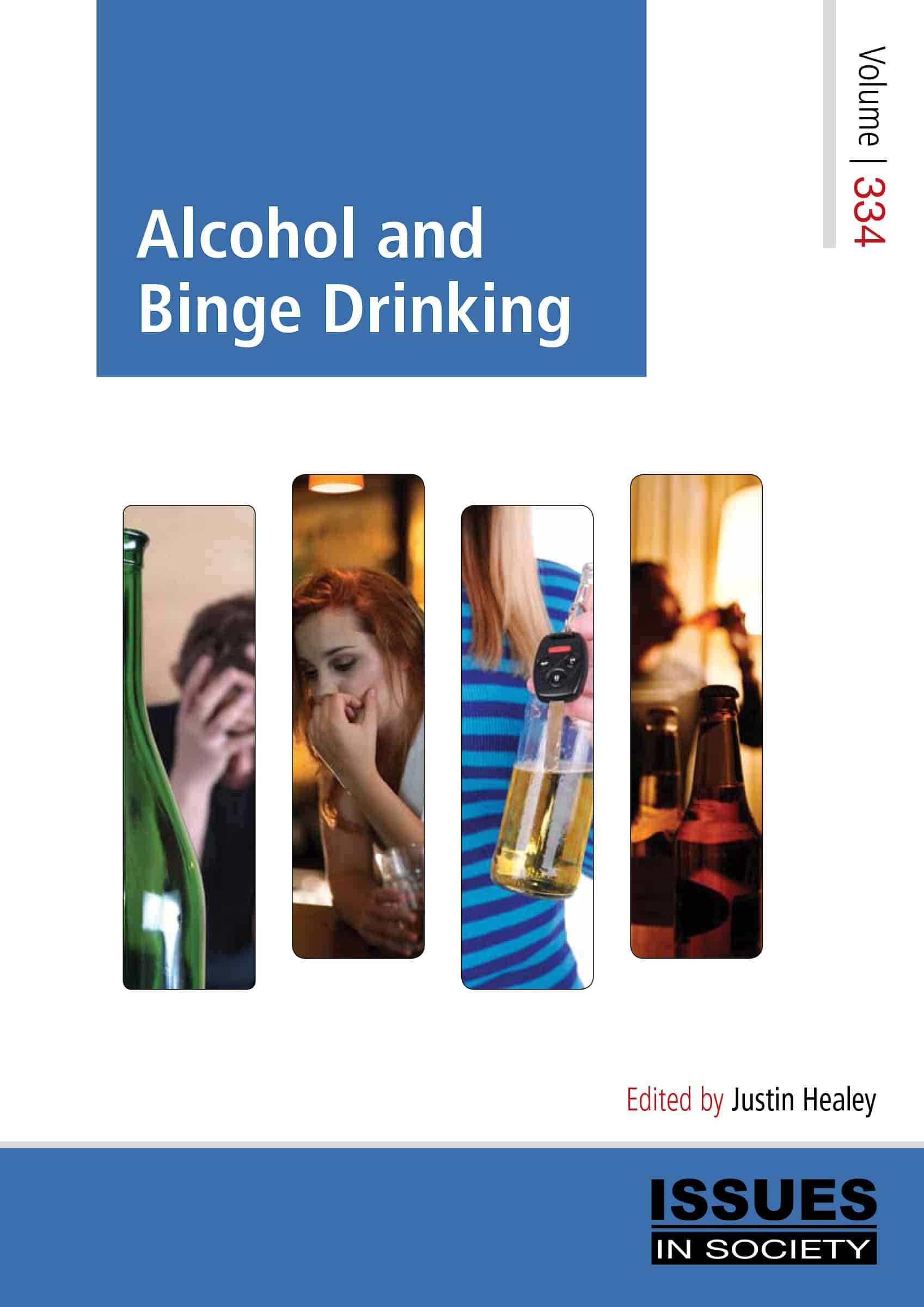
Alcohol and Binge Drinking

Cover - Alcohol and Binge Drinking
  • Alcohol and Binge Drinking
  • Volume 334
  • Editor: Justin Healey
  • Print book ISBN: 978 1 921507 61 8
  • E-book ISBN: 978 1 921507 62 5
  • Year: 2011
  • E-book: $24.00

Alcohol is the most widely used recreational drug in Australia. Alcohol is so widely used and so socially acceptable that many people frequently consume it to harmful levels. Binge drinking refers to drinking heavily over a short period of time with the intention of becoming intoxicated, resulting in immediate and severe intoxication. The number of young people consuming alcohol at alarmingly high levels has increased significantly in recent years, prompting government initiatives such as the ‘alcopop’ tax in a bid to curb underage binge drinking. What are safe drinking levels according to the latest guidelines, and what are the short- and long-term health risks when alcohol consumption goes too far? Alcohol-related risk behaviours are also examined, including drink driving, unprotected sex, violence and injury. This book presents information about the many health and social impacts of excessive alcohol intake and provides tips for promoting responsible drinking choices among young people. When does ‘having a drink’ become far more than a drop too much?
Chapter 1: Alcohol and your health

Chapter 2: Binge drinking

Chapter 3: Alcohol and young people

Worksheets and activities; Glossary; Fast facts; Web links; Index

Fast facts:

  • Most Australians drink alcohol (82.9% of those aged 14 years and older in 2007) and about 8.1% drink daily.
  • Greater proportions of young females drink at risky or high-risk levels compared with young males.
  • Measured in terms of per person consumption of pure alcohol, Australia ranks in the middle of all OECD countries and of key comparison countries, at around 10 litres of alcohol per person per year.
  • It has been estimated that 31% of parents involved in substantiated cases of child abuse or neglect experience significant problems with alcohol use.
  • In Australia, it is estimated that 47% of all perpetrators of assault and 43% of all victims of assault were intoxicated prior to the event.
  • One study reported that alcohol is involved in 62% of all police attendances, 73% of assaults, 77% of street offences, 40% of domestic violence incidents and 90% of late-night calls, from 10 pm to 2 am.
  • Almost 70,000 Australians are reported victims of alcohol-related assaults every year, including 24,000 victims of domestic violence.
  • Almost 20,000 children across Australia are victims of substantiated alcohol-related child abuse.
  • The tangible and intangible costs caused by someone else’s drinking totals more than $20 billion.
  • More than 10 million Australians experienced some neg-ative effect of a stranger’s drinking in one year.
  • 22 per cent of Australians will have an alcohol use disorder, either alcohol abuse (18%) or dependence (4%), over their lifetime.
  • Young men were two and a half times as likely to have cur-rent alcohol use problems as the rest of the population.
  • 42% of Australians with alcohol problems have at least one co-existing mental illness, such as depression or an anxiety disorder.
  • Men born between 1978 and 1987 are 1.7 times more likely to drink at risky levels than those born ten years earlier.
  • The liver gets rid of about one standard drink an hour. Cold showers, exercise, black coffee, mints, fresh air or vomiting will not speed up the process.
  • Women are at a greater risk of developing an alcohol-related disease such as cancers, diabetes and obesity.
  • Men are at a greater risk of an alcohol-related injury such as a car accident, assault and violence.
  • The effects of alcohol on the brain are felt within about 5 minutes of alcohol being swallowed.
  • For healthy men and women, drinking no more than two standard drinks on any day reduces the lifetime risk of harm from alcohol-related disease or injury.
  • People who are depressed and sometimes drink excessively are at much greater risk of self-harm and suicide.
  • The rates of physical and verbal abuse by a person affected by alcohol were more than twice that for other drug types.
  • Approximately one-third (30%) of assault charges are likely to be attributable to alcohol.
  • A significant proportion of perpetrators of alcohol-related social disorders are also victims.
  • Around half (47%) of all homicides in Australia between 2000 and 2006 were alcohol-related.
  • The total cost to policing across Australia from crime attributable to alcohol is around $747m annually.
  • While the proportion of indigenous people who consume alcohol is lower than the rest of the population, those who do consume alcohol do so at far more harmful levels.
  • Over 40% of all assaults occur in or around licensed premises.
  • 54% of all alcohol-related homicides take place in someone’s home.
  • Young people who drink are more prone to risky and antisocial behaviour than older drinkers.
  • Alcohol misuse comes at a $36 billion cost to Australians each year.
  • Alcohol is consumed by 84% of Australian adults.
  • 17% of drinkers admit to drinking to get drunk at least once a month, with 10% drinking to get drunk at least once a week.
  • 37% of Australians perceive alcohol to be the most harmful drug compared to tobacco and illicit substances, up from 31% in 2010.
  • Over 5 million Australians (41%) have been affected by alcohol-related violence.
  • The majority of Australian drinkers (69%) are comfortable with how much alcohol they consume.
  • Drinking alcohol is the most common type of drug use in Australia.
  • On average, 1 in 4 hospitalisations of 15-25 year olds happen because of alcohol.
  • 1 in 2 Australians aged 15-17 who get drunk will do something they regret.
  • Around 90% of Australian teenagers over the age of 14 years have tried alcohol at least once.
  • Over 70% of male school leavers and 60% of females report getting drunk on most or all days or nights of their ‘schoolies week’.
  • Drinking alcohol can affect how the brain develops in young adults under the age of 25.
  • Alcohol is responsible for most drug-related deaths in the teenage population.
  • The average age young men aged 15-24 years said they first consumed alcohol was around 15 years and for young women, the average age was around 17 years.
  • 4 Australians under 25 die due to alcohol-related injuries in an average week.
  • 70 Australians under 25 will be hospitalised due to alcohol-caused assault in an average week.
  • A national survey of 12- to 17-year-olds found parents were the most common source of alcohol for those who drank in the previous week.